Beyond the Diamond: How MLB Uncertainty Can Open Up New Advertising OpportunitiesCase Study
MLB’s labor negotiations give advertisers a timely opportunity to rethink how content genres and ad formats work together to reach their audiences in 2027.
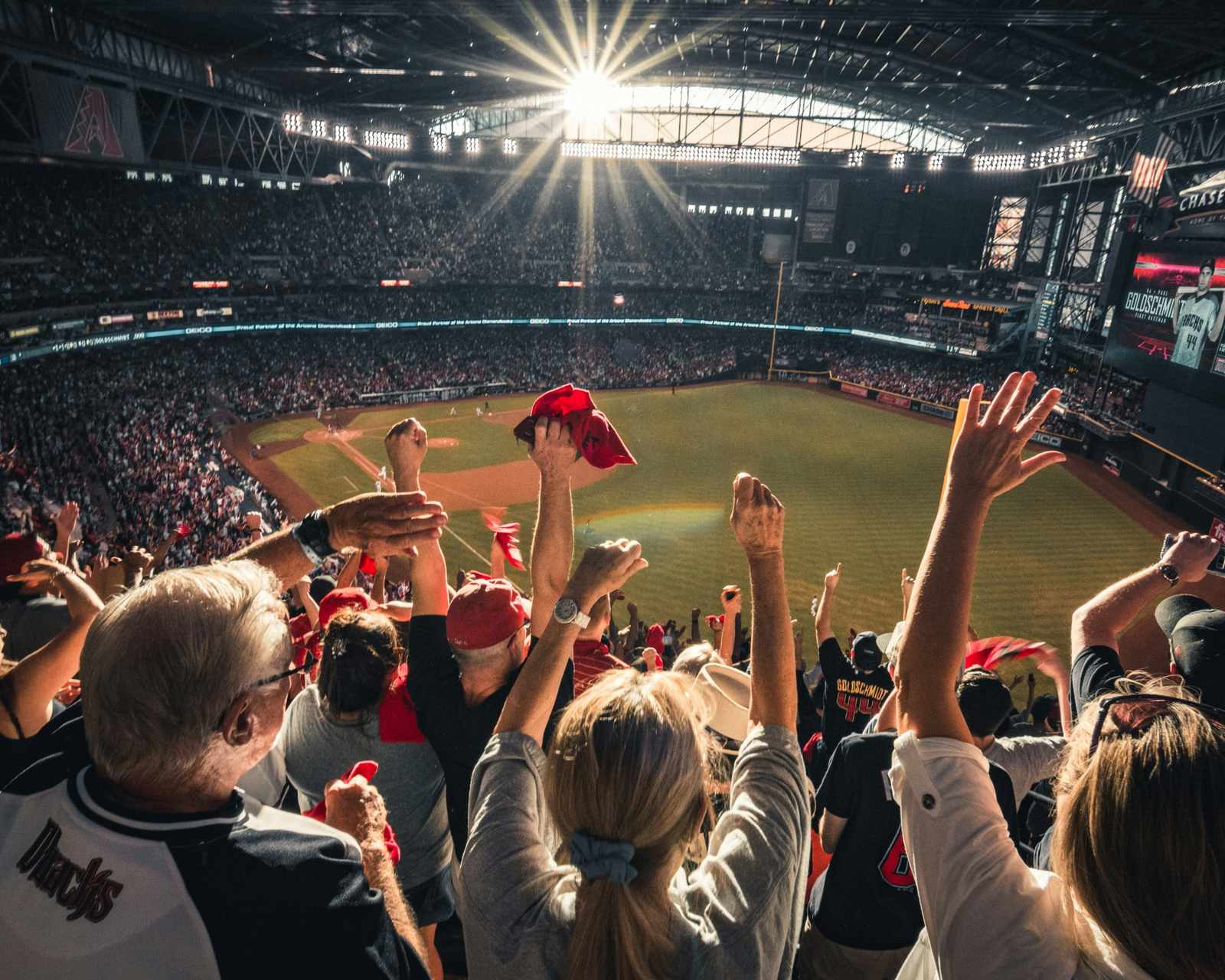
Planning for the 2027 baseball season is an opportunity to take a fresh look at the audience behind the buy. MLB’s ongoing labor negotiations are prompting advertisers to consider where else they can connect with those viewers, from live competition and studio conversations to the entertainment they watch throughout the week.
For brands and agencies, that creates room to discover additional ways to build reach, sustain a presence across the calendar, and bring brands into relevant moments. Understanding what makes baseball valuable to a campaign is a useful starting point for finding where that value can extend.
What’s happening with MLB’s labor negotiations?
MLB’s current collective bargaining agreement expires at 11:59 p.m. ET on December 1, 2026. Owners and the MLB Players Association are negotiating the next agreement, with the structure of player compensation among the central issues. [1]
The immediate possibility is an owner-initiated lockout. A strike would be initiated by players. As of November 6, a new work stoppage has not begun, and the effect on the 2027 playing schedule remains uncertain. An offseason lockout would not automatically mean lost regular-season games: the previous lockout ended in March 2022, and MLB ultimately played a full 162-game schedule. [2]
That gives advertisers a planning window to explore additional opportunities while negotiations continue.
What does this mean for advertisers?
Start with what MLB contributes to the media plan. It might be local relevance, a recurring connection with fans, live competition, or reach among a particular customer group. Each objective suggests a different way to broaden the plan.
A regional brand building familiarity around its home team could evaluate other programming with a strong audience in the same market. A national advertiser seeking live-event engagement could explore additional sports. A brand focused on reaching particular households could look across both sports and entertainment, using audience data to guide the mix.
This is a chance to make the plan more intentional. By identifying the role baseball plays, buyers can find complementary environments that support the same business goal and potentially introduce the brand to additional customers.
Where else could advertising dollars make an impact?
The most useful opportunities will depend on campaign timing, geography, audience composition, and the experience a brand wants to be part of. Several areas are worth exploring.
College baseball and softball
For advertisers drawn to the diamond, college baseball and softball offer a related setting with their own traditions, rivalries, and communities. They give brands a way to explore school affinity and regional relevance through a different level of competition. Consider how school affinity, regional relevance, and audience reach align with the campaign’s needs.
Basketball, hockey, and the spring sports conversation
Basketball and hockey are natural areas to evaluate for brands seeking live competition during the spring. College tournaments, professional games, and the surrounding analysis offer different ways to participate. The decision should reflect whether the campaign needs recurring exposure, a concentrated event, or relevant commentary. Consider how the audience, timing, and content context support the campaign’s goals.
Women’s sports and international soccer
Women’s basketball and domestic and international soccer deserve consideration on their own audience merits. In 2027, the FIFA Women’s World Cup in Brazil, scheduled for June 24 through July 25, provides a specific summer planning anchor. [3] Brands can evaluate live coverage and related programming separately, matching the opportunity to their markets, objectives, and available rights. Tournament coverage, league play, and studio discussion each serve a different purpose.
Motorsports, golf, and tennis
These sports give advertisers additional ways to explore event-led viewing and recurring competition. Consider how a race weekend or tournament fits the campaign’s timing, the customers it reaches, and the context it provides for the brand. Consider how these genres could contribute to the campaign’s audience delivery, cost, and frequency goals.
Premium entertainment, news, and free streaming television
The audience opportunity extends beyond sports. S&P Global Market Intelligence’s first-quarter 2025 Consumer Insights research found that entertainment outside news and sports accounted for the largest share of daily TV and video viewing across each MLB fan engagement segment it studied. [4]
For planners, that is a useful reason to explore movies, comedy, reality, lifestyle, and news alongside live sports. Connected TV and free ad-supported streaming television, or FAST, are environments to evaluate for reaching relevant viewers across those genres. Measure how the genre mix contributes to audience overlap and incremental reach across the campaign.
How can advertisers turn exploration into a stronger plan?
Use this planning window to connect audience strategy, content, and creative. For Transmit clients, that means combining ad formats and content genres to find the right mix for the audience they want to reach and the outcomes they want to achieve.
Standard video placements can work alongside in-stream formats that bring brands into the content without interrupting the viewing experience. Across sports, entertainment, news, and finance, each combination offers a different way to connect with viewers. The goal is to understand how the format and the surrounding content work together to support the campaign.
For example, a brand could combine video placements across relevant sports and entertainment genres with in-stream advertising around contextually relevant moments. Campaign results can then help refine the balance, showing which combinations contribute to reach, engagement, and the intended business outcome.
Evaluate the mix as a whole, looking at audience composition, geographic fit, unduplicated reach, frequency, and performance across formats and genres. Those insights can help advertisers adjust their investment and discover additional ways to connect with the customers they want to reach.
Timing and context also shape the mix. A spring rivalry, a summer tournament, or an entertainment reveal can each provide a relevant setting for a brand message. Align the creative, format, and content with the campaign’s goals, then use what the results reveal to hone the approach.
A wider view of where brands can connect
MLB’s negotiations give advertisers a timely reason to ask a useful question: what else does this audience care about, and where can our brand add relevance?
The answer can lead to new content relationships, additional reach, and a richer understanding of the people behind the media plan. Those discoveries can strengthen a 2027 strategy whatever happens at the bargaining table.
Baseball can remain an important part of that story while advertisers explore more of the moments their customers tune in for.
Sources
[1] MLB Players Association: 2022–2026 Basic Agreement, Article XXVI, Term.
[2] Associated Press, via ABC News: “MLB proposes delaying salary cap implementation to 2028 in talks with players,” November 3, 2026. NBC Los Angeles: “Will MLB enter a lockout? Here’s everything to know before CBA ends,” October 30, 2026.
[3] FIFA: “Everything you need to know | FIFA Women’s World Cup 2027.”
[4] S&P Global Market Intelligence: “Approximately one-quarter of MLB fans are highly engaged sports fans.” Based on the March 2025 Kagan survey of 2,501 U.S. internet adults; findings describe general market characteristics and directional trends.